
How to Create a No Dig Bed
No dig beds are simple to establish and suitable for most gardens.
1. Prepare the Ground
There is no need to dig, cut back existing vegetation or mow it low. Remove as many perennial weeds as possible. Cover the area with cardboard to block light.
2. Add Organic Matter
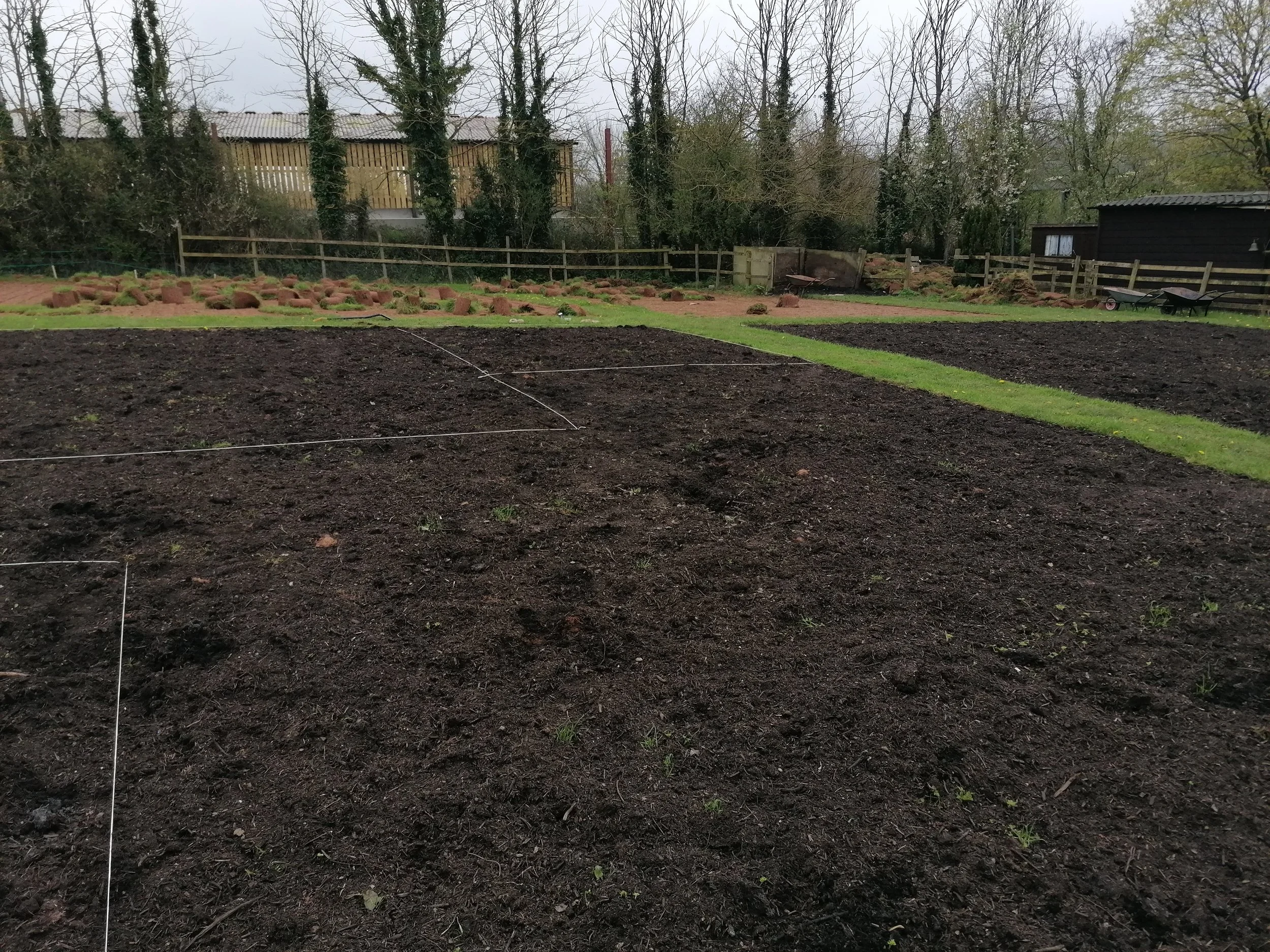
Place 10 cm/6 inch of compost or well-rotted organic matter directly on top of the soil or cardboard. If you do not cover the area deep enough this method will not be effective.
3. Plant Directly Into the Compost
Seeds and transplants are planted straight into the compost layer. Roots will naturally grow down into the soil below as structure improves.
4. Top Up Annually
Each year, add a fresh 10cm/6 inch layer of compost to maintain fertility and protect soil life. No digging is required at any stage.
Save Our Soil
We have lost MORE THAN A THIRD of our worm population in 25 years.
This is due to soil degradation because of intensive and unsustainable agricultural practices, such as excess tilling and reliance on chemicals.
The decline in worms correlates with a 37% reduction in woodland bird populations since 1970, which depend on them for food.
Worms are keystone species. Without them, our global ecosystems and food production will collapse.
Switch to NO DIG to help Save our Soil.
Benefits & Importance
Healthy soil is a living ecosystem. A single teaspoon of healthy soil can contain billions of microorganisms, including bacteria, fungi, protozoa, and nematodes. These organisms form complex networks that:
Transport nutrients to plant roots
Improve soil structure and drainage
Store carbon
Suppress disease naturally
Digging and tilling break fungal networks, expose microorganisms to air and sunlight, and accelerate the loss of organic matter. Regular tillage can reduces soil organic carbon and microbial diversity, while no-dig systems help rebuild both over time.
Key benefits of no dig include:
Improved soil structure and reduced compaction
Higher soil carbon levels, supporting climate resilience
Better water retention, reducing drought stress and flooding
Fewer weeds, as buried weed seeds are not brought to the surface
Healthier plants, leading to stronger, more viable seed
Supports higher number of earthworms and insects, leading to healthier wildlife populations overall
Reduces soil erosion.