
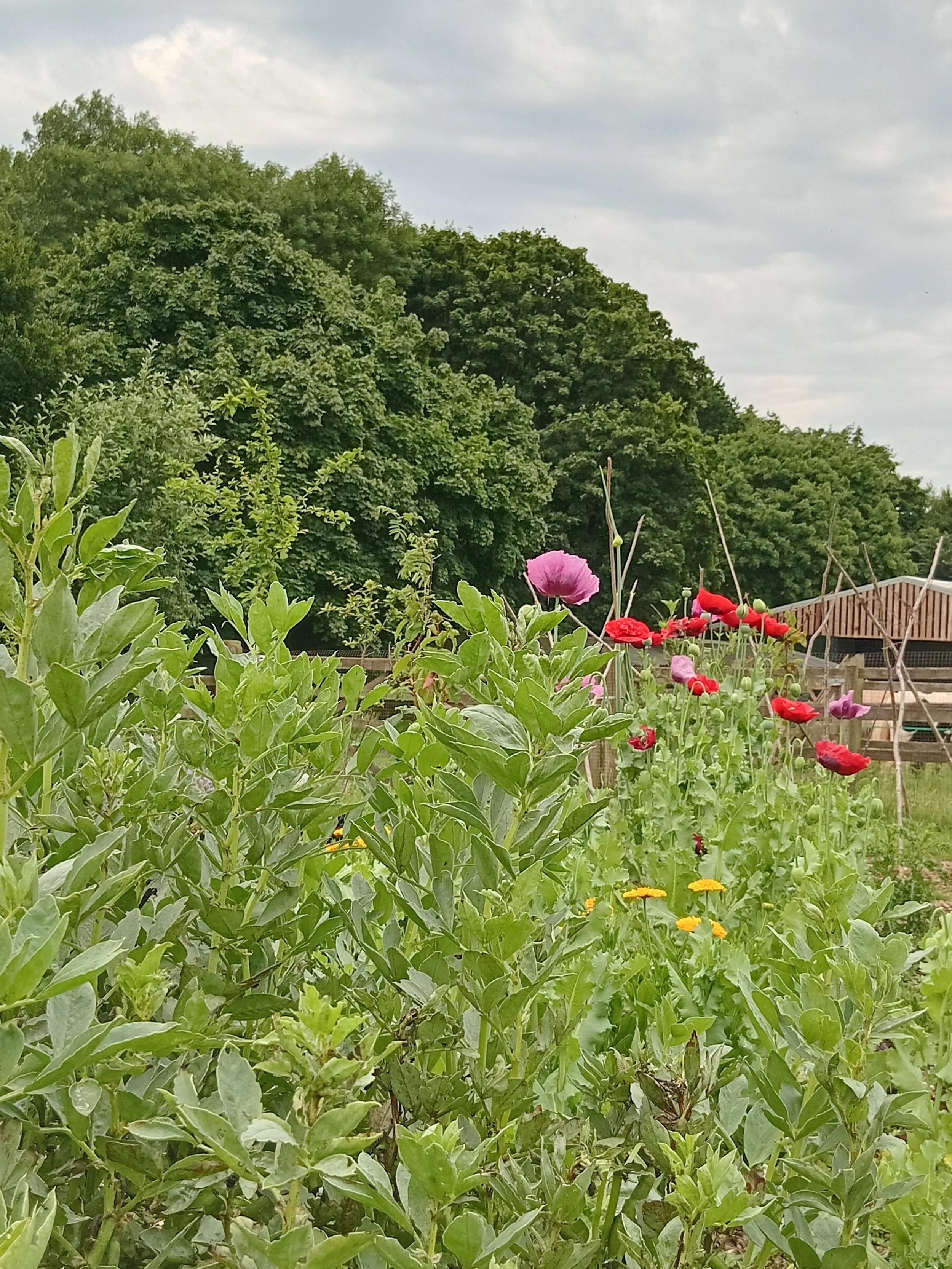
The Heritage Project
At The Heritage Seed Farm, every variety on offer is Heritage, organically grown, open-pollinated, and hand-processed right here in Devon.
This project is a personal passion: an attempt to save our food history and the fascinating human stories that come with it, food security, and bring the incredible variety of the past back to your dinner table.
Why Heritage Matters
The modern food system is shrinking. Let’s grow it back.
The Loss of Diversity: 75% of plant genetic diversity has vanished as farmers moved toward uniform, high-yielding ‘F1’ hybrids.
The Monopoly: Just four companies control over 50% of global seeds. When seeds become "intellectual property," farmers lose their rights and we lose our food security.
The Flavor Gap: Out of 250,000 edible species, the world now relies on just 12 plants for 75% of its food. We’re missing out on a universe of taste.
Heritage plants are the antidote. They have longer flowering seasons, support more bees, and are built for organic gardens—not industrial machines.
How the seed is grown:
I believe healthy seeds start with thriving soil. The Heritage seed farm uses a No-Dig system to protect soil structure and boost biological activity.
No Chemicals: Zero synthetic fertilisers, pesticides, or herbicides. Ever.
Companion Planted: Beds are diverse ecosystems that build their own fertility.
Resilient by Nature: Because the seeds are open-pollinated, they "learn" from the environment. Over time, they build a natural resilience to local conditions that lab-grown seeds can’t match.
Grow, Save, Repeat
Heritage seeds grow "true to type." This means when you save seeds from your harvest, they will grow the exact same delicious crop next year.
My Promise: Every packet we send is resealable. I don't want you to keep buying from me forever—I want to encourage you to save your own seed, season after season, and become part of the story. Check out these seed saving guidelines for help.
Join the Journey
See what’s sprouting on the farm and get tips for your own heritage garden. Follow along on…