
 Image 1 of 2
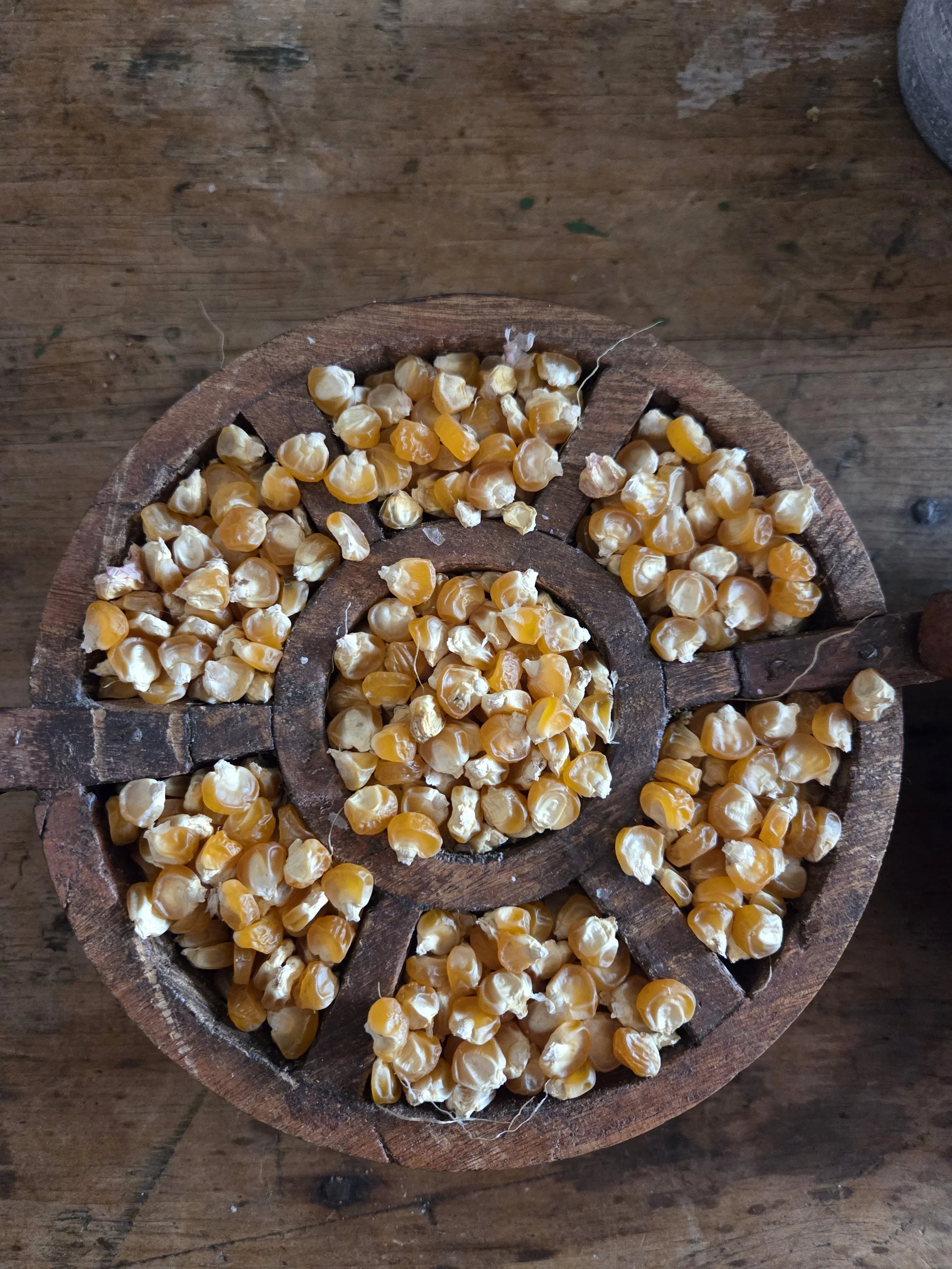 Image 2 of 2
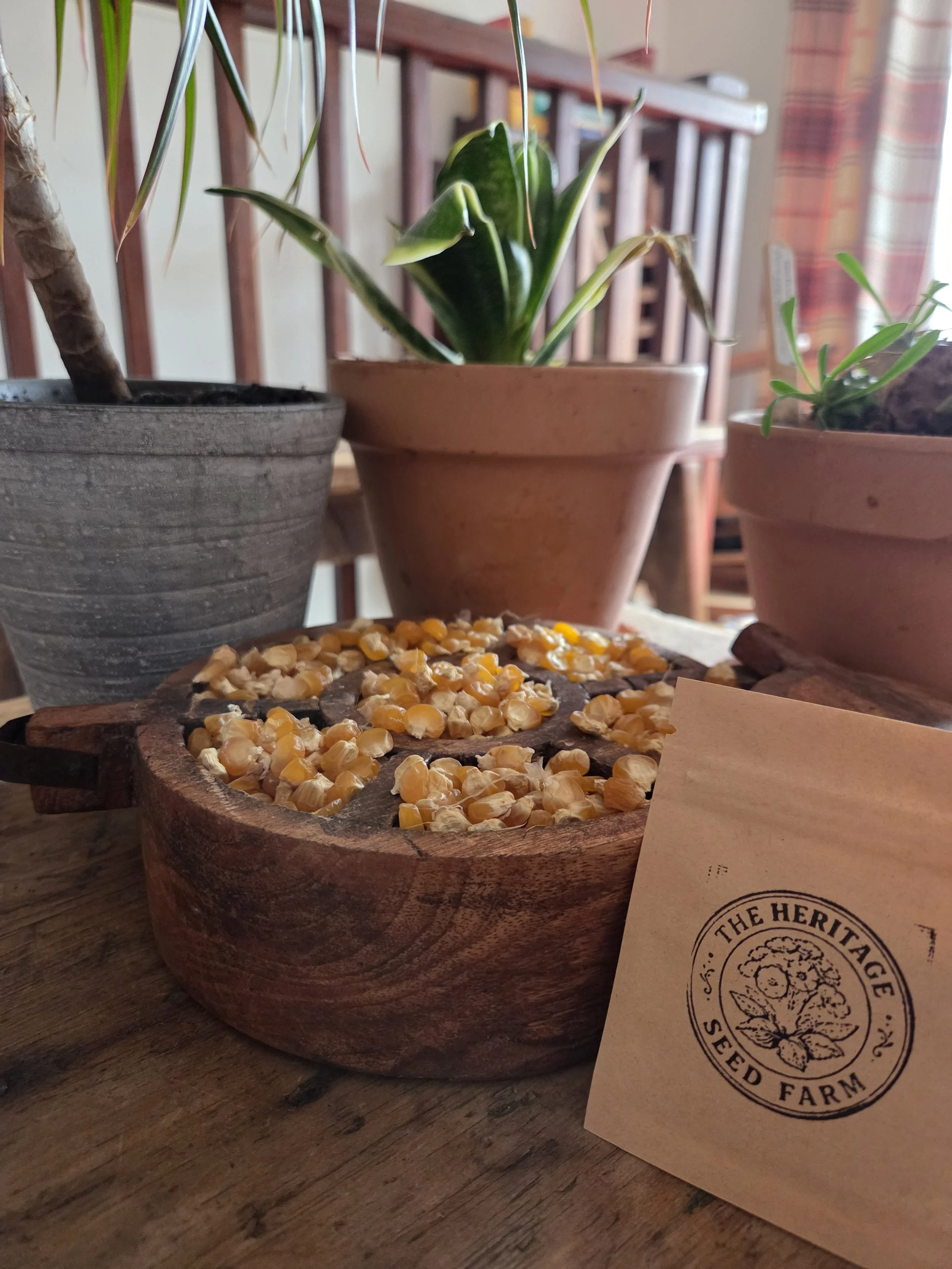
Golden Bantam is a classic 8-rowed heritage yellow sweetcorn that transformed the sweetcorn industry after its public introduction in 1902. Developed in Greenfield, Massachusetts, by farmer William Chambers, the variety was kept private during his lifetime and later preserved by local farmer J. G. Pickett after Chambers’ death around 1891.
Introduced to the public by Burpee’s, at the time, yellow corn was widely regarded as suitable only for livestock, with white corn preferred for human consumption; within a decade, Golden Bantam completely changed this perception and popularized yellow sweetcorn.
An open-pollinated, non-GMO variety, Golden Bantam is known for its tender, golden-yellow kernels, and a rich, robust flavor that is sweet without being excessive. It matures in approximately 75–90 days, performs well in cooler soils and northern climates, and often produces multiple ears per stalk. Adaptable and hardy, it remains a favorite among home gardeners and is well suited for fresh eating, freezing, or canning, securing its place as one of the most influential sweetcorn varieties in history.
Golden Bantam is a classic 8-rowed heritage yellow sweetcorn that transformed the sweetcorn industry after its public introduction in 1902. Developed in Greenfield, Massachusetts, by farmer William Chambers, the variety was kept private during his lifetime and later preserved by local farmer J. G. Pickett after Chambers’ death around 1891.
Introduced to the public by Burpee’s, at the time, yellow corn was widely regarded as suitable only for livestock, with white corn preferred for human consumption; within a decade, Golden Bantam completely changed this perception and popularized yellow sweetcorn.
An open-pollinated, non-GMO variety, Golden Bantam is known for its tender, golden-yellow kernels, and a rich, robust flavor that is sweet without being excessive. It matures in approximately 75–90 days, performs well in cooler soils and northern climates, and often produces multiple ears per stalk. Adaptable and hardy, it remains a favorite among home gardeners and is well suited for fresh eating, freezing, or canning, securing its place as one of the most influential sweetcorn varieties in history.