
 Image 1 of 1
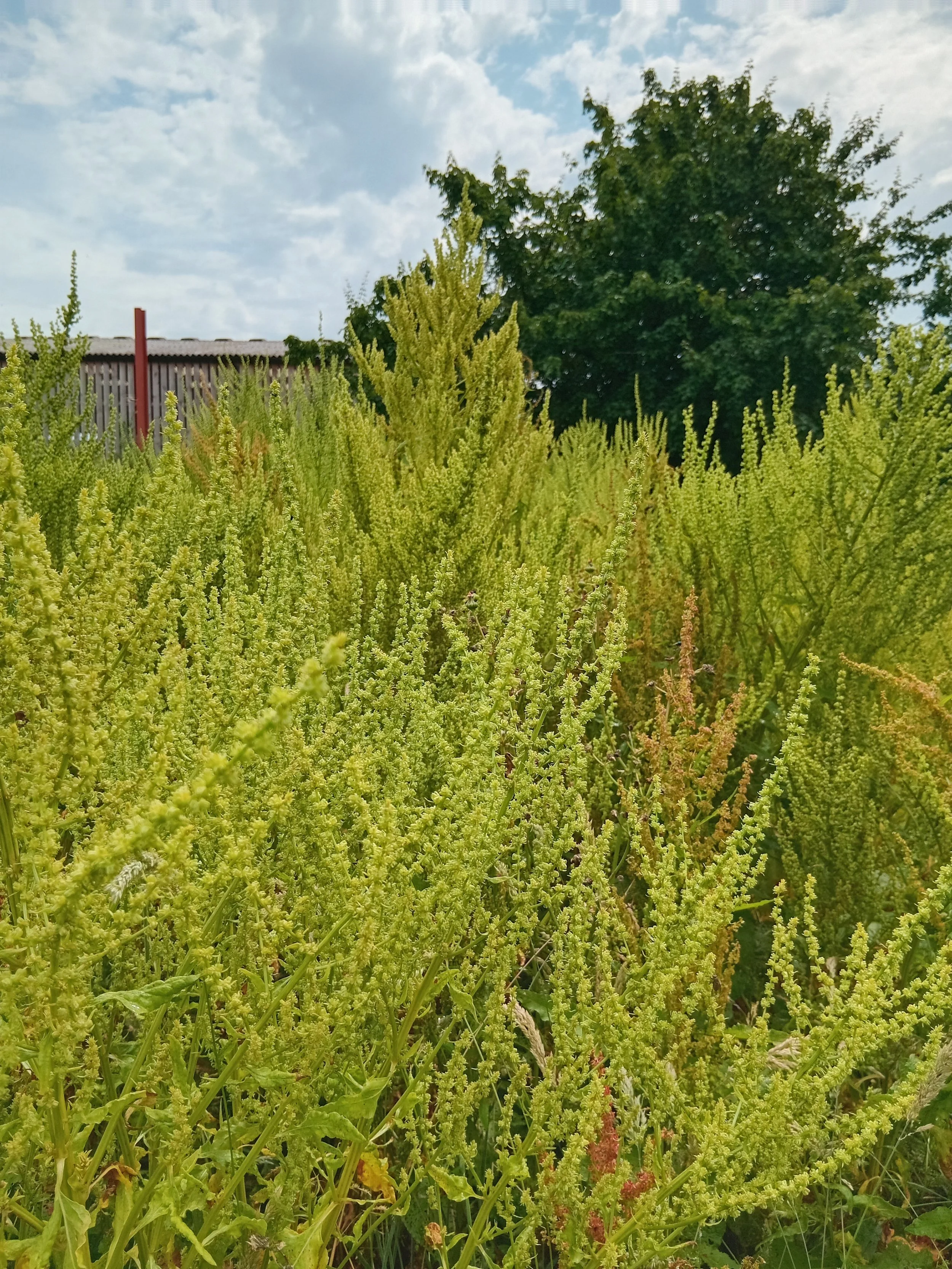
A hardy short lived perennial with smooth, succulent leaves and thin, fleshy, green stems. Nutrient dense and now considered a super food, this plant offers reliable greens over a long season. Great for making pesto.
Whilst similar in looks and taste to true spinach (Spinacia oleracea), perpetual spinach is actually a type of leafy Swiss chard or spinach beet, retaining a sweeter milder flavour for longer. Descended from wild sea beet and ancient chard varieties, this plants ancestors have been cultivated since at least 500 BC.
While true spinach (Spinacia oleracea) reached Britain in the 14th century, the earliest known use of the term "perpetual spinach" is documented in England around 1882 in The Garden. By this point the plant was a familiar sight in kitchen gardens, valued for it high yields in small spaces, and remains so to this day.
A hardy short lived perennial with smooth, succulent leaves and thin, fleshy, green stems. Nutrient dense and now considered a super food, this plant offers reliable greens over a long season. Great for making pesto.
Whilst similar in looks and taste to true spinach (Spinacia oleracea), perpetual spinach is actually a type of leafy Swiss chard or spinach beet, retaining a sweeter milder flavour for longer. Descended from wild sea beet and ancient chard varieties, this plants ancestors have been cultivated since at least 500 BC.
While true spinach (Spinacia oleracea) reached Britain in the 14th century, the earliest known use of the term "perpetual spinach" is documented in England around 1882 in The Garden. By this point the plant was a familiar sight in kitchen gardens, valued for it high yields in small spaces, and remains so to this day.