
 Image 1 of 2
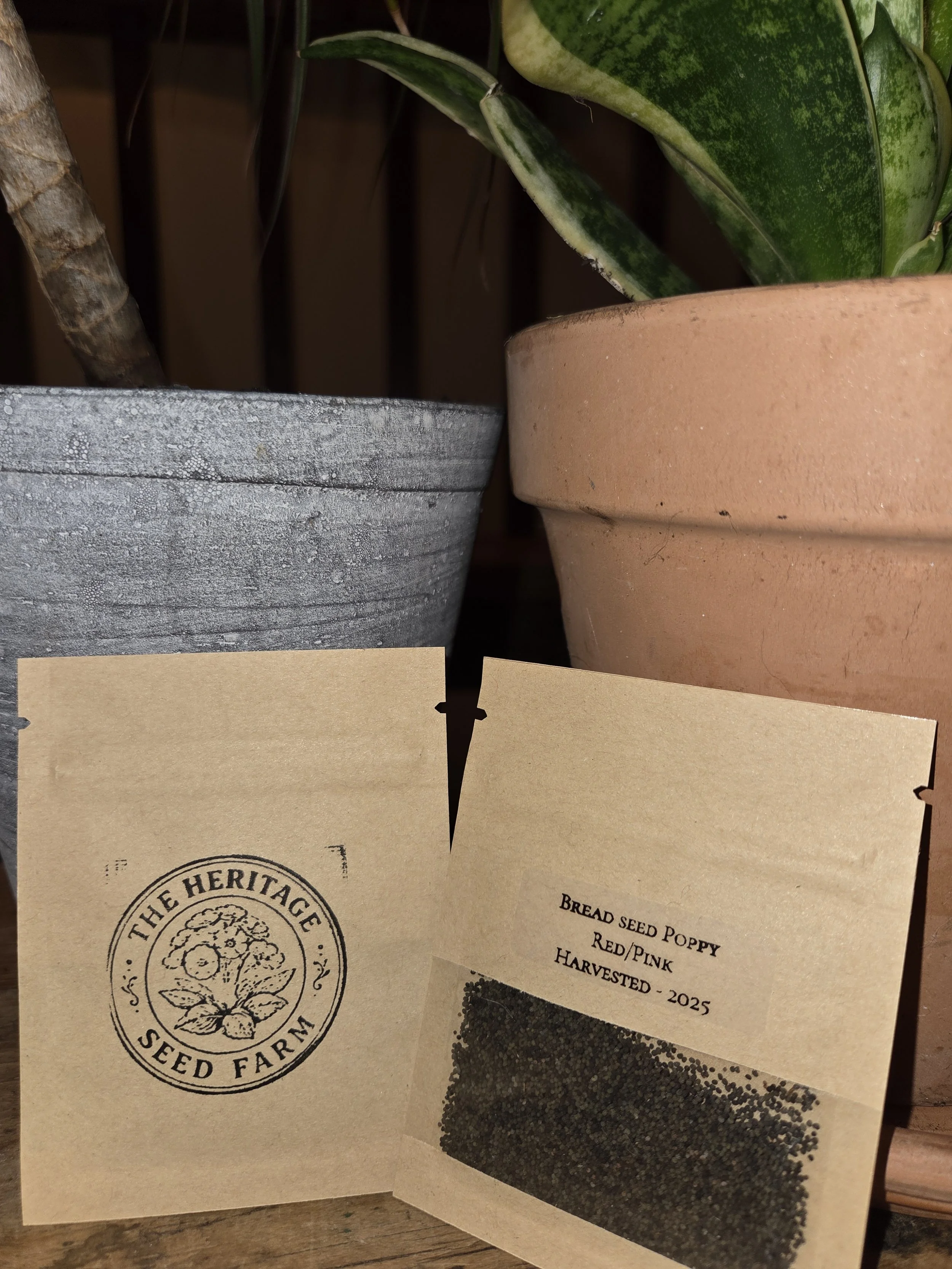 Image 2 of 2
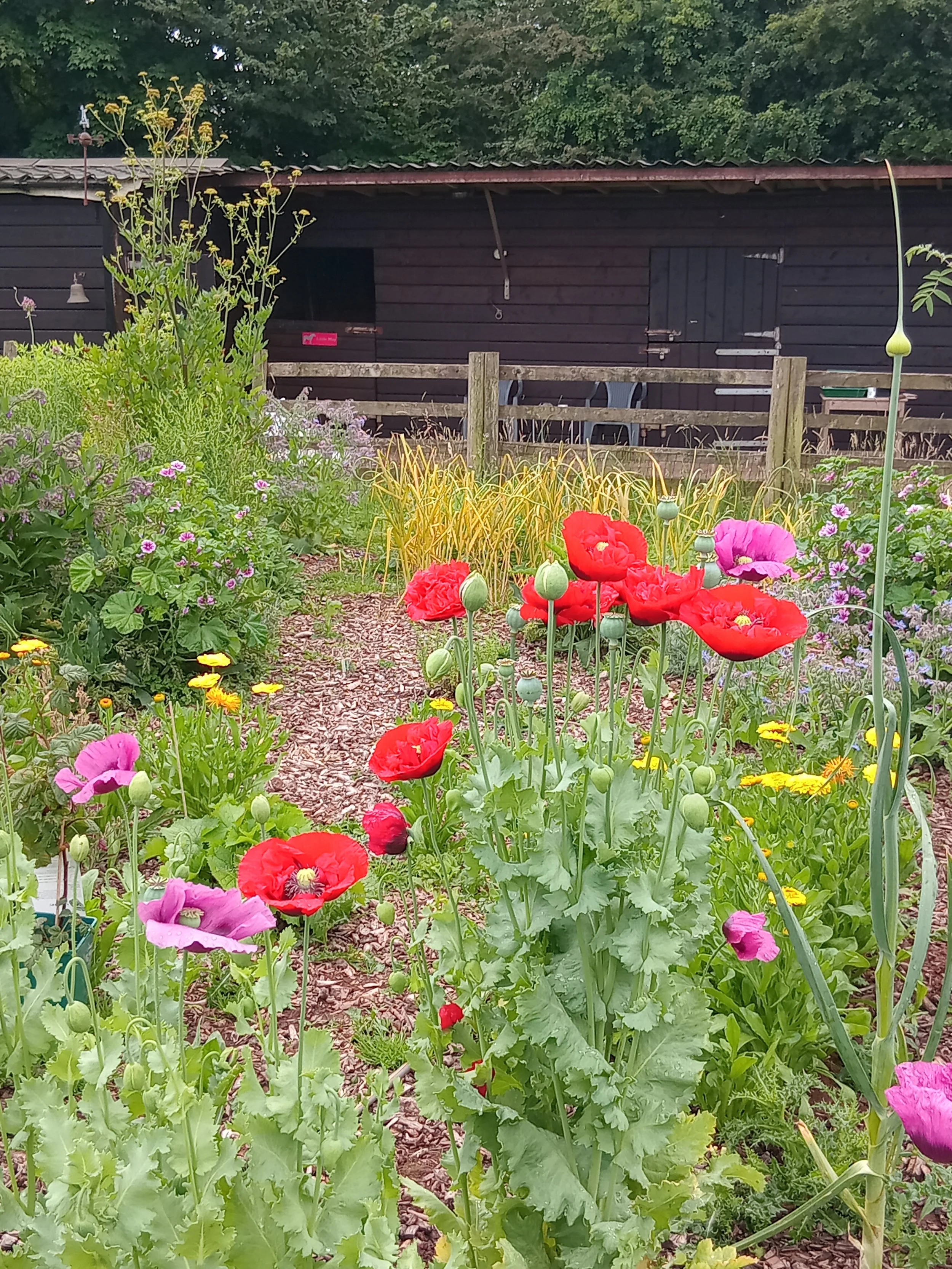
The opium poppy originated in the Western/Central Europe or the Eastern Mediterranean, with domestication likely beginning between 6000 and 3500 BC . The first records of opium production date back to 3,400 B.C. in lower Mesopotamia (now Iraq), where the Sumerians referred to it as Hul Gil, or the "joy plant". From herep oppy cultivation and opium use spread along the Silk Road through the Mediterranean to Egypt, Greece, and eastward into Asia. In ancient Greece, the properties of the milk juice (termed Mekonium) were also known, Hypnos-the god of sleep is often depicted with poppies.
While used for millennia prior, with the introduction of smoking by the Portuguese and Dutch; it quickly changed from a medicinal/local product to a devastating narcotic. Conflict between great nations has since arisen over this plant, and in the 19th century, the opium trade led to wars between China and Great Britain. Today, it is legally cultivated on a large scale for the pharmaceutical industry (morphine, codeine) and for culinary seeds, particularly in countries like Turkey, Czech Republic, and India.
Not only used for medicinal purposes, the seeds are harvested from the dried pods and used for their nutty flavor in baking, pastries, and bread.
The opium poppy originated in the Western/Central Europe or the Eastern Mediterranean, with domestication likely beginning between 6000 and 3500 BC . The first records of opium production date back to 3,400 B.C. in lower Mesopotamia (now Iraq), where the Sumerians referred to it as Hul Gil, or the "joy plant". From herep oppy cultivation and opium use spread along the Silk Road through the Mediterranean to Egypt, Greece, and eastward into Asia. In ancient Greece, the properties of the milk juice (termed Mekonium) were also known, Hypnos-the god of sleep is often depicted with poppies.
While used for millennia prior, with the introduction of smoking by the Portuguese and Dutch; it quickly changed from a medicinal/local product to a devastating narcotic. Conflict between great nations has since arisen over this plant, and in the 19th century, the opium trade led to wars between China and Great Britain. Today, it is legally cultivated on a large scale for the pharmaceutical industry (morphine, codeine) and for culinary seeds, particularly in countries like Turkey, Czech Republic, and India.
Not only used for medicinal purposes, the seeds are harvested from the dried pods and used for their nutty flavor in baking, pastries, and bread.